
This is the third in a six-part series describing my visit to Ethiopia last year. The first part can be found here.
Saturday, March 25
After a breakfast of firfir and coffee at the hotel, Jon, the director of the Mekelle Youth Center (MYC), picked me up and drove me to the place where our vehicle had been stored for the past few weeks. When we arrived in Mekelle in February of 2020, we had arranged to sublet a house that was being rented by a recently married couple who worked at MYC. The husband is American and the wife Ethiopian, and as we were arriving they were preparing to go to the States to begin the process of obtaining her green card. It was an ideal situation, in that it would give us a year to locate a suitable long-term home in Mekelle. When we returned to the States at the end of March, we brought very little with us (two checked bags and two carry-ons) as we expected to return within six or so months. When the war broke out in November, the Ethiopian staff at MYC permitted some Internally Displaced People (IDPs) to live in our home – an arrangement we were happy to accommodate. We made sure they knew that these folks were welcome to utilize our household goods as they saw fit. The boys’ clothes and toys were allocated almost immediately. Very little was left for me to sort through on Saturday morning – primarily our books (mostly my veterinary texts and biblical/theological library, as well as homeschool materials) and a couple of the boys’ sentimental stuffed animals.
As I sorted through what I would bring with me and what I would leave to be given away, I occasionally wished that we had asked them to hold onto this or that item. In the end, though, I was grateful. I knew that any donations we might give now or in the future would not have matched the giving of the vast majority of our household goods in value. It was a way that we, in our weak and sinful materialism, were compelled to be joyfully generous.
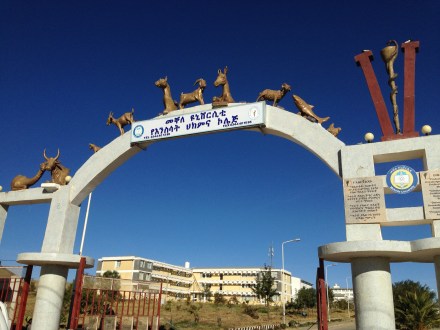
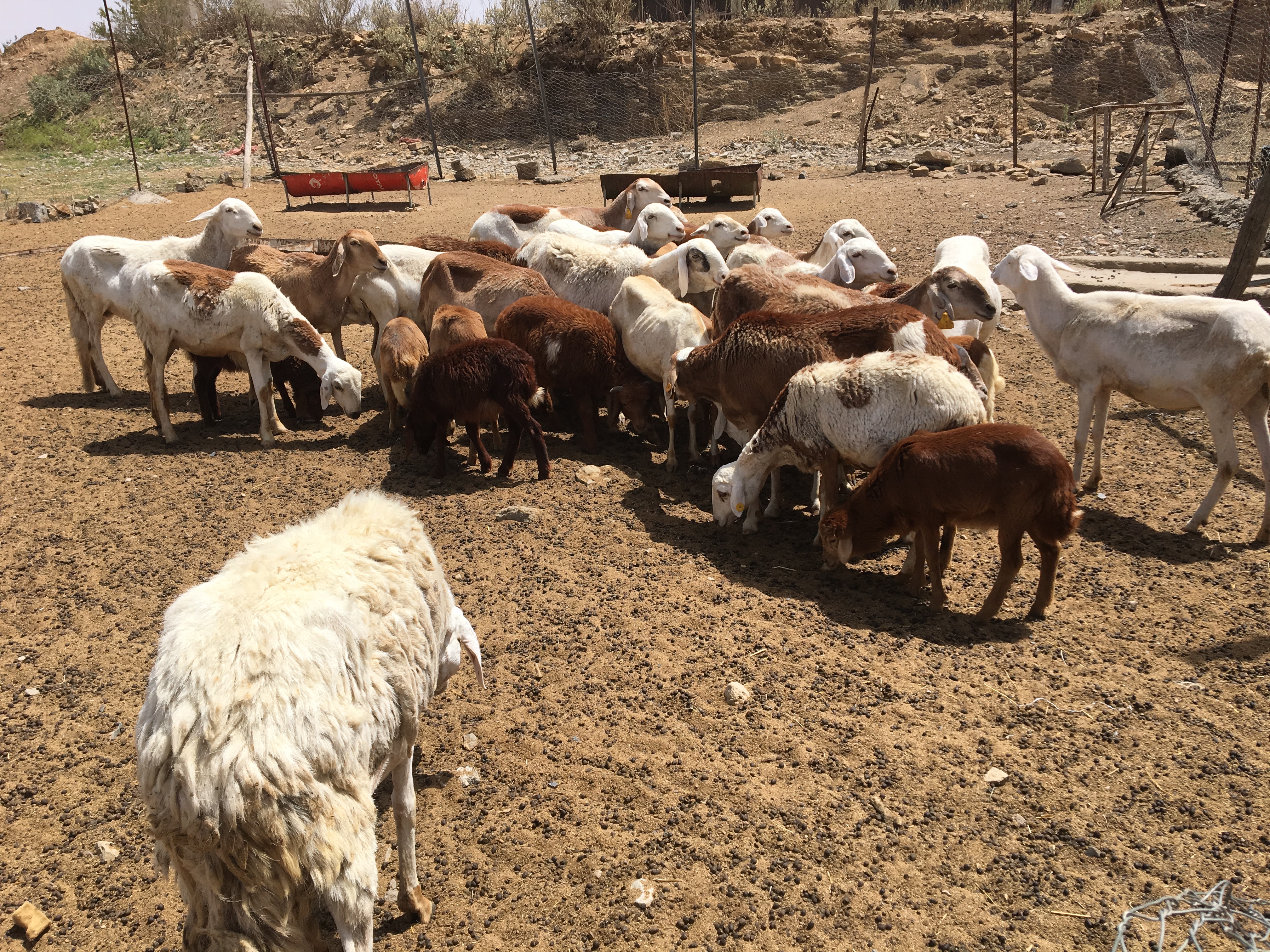
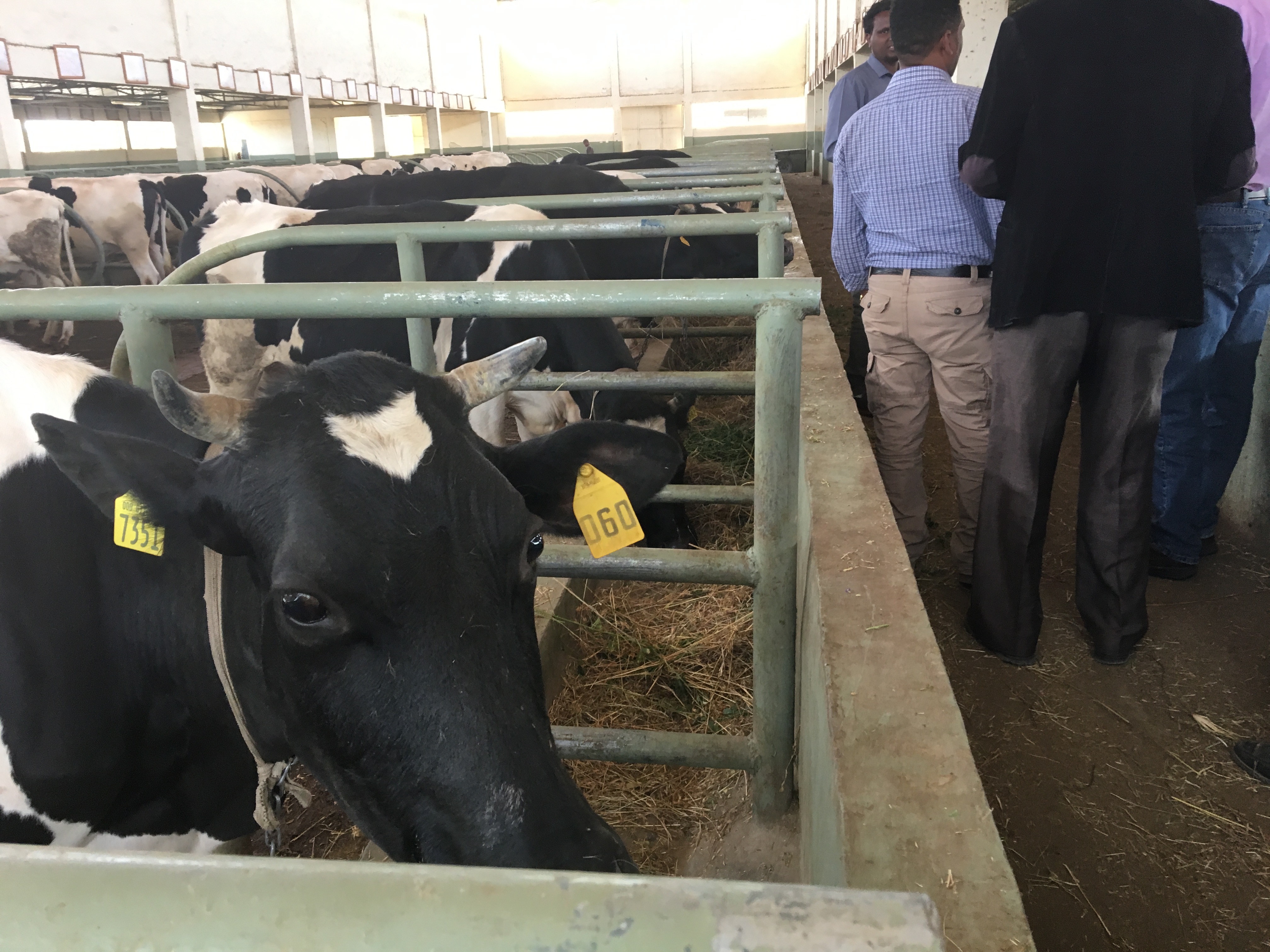
After I’d sorted through our goods and packed what I intended to bring back to Iowa, I met with Dr. Abrha, the dean of the vet school, for lunch. Interestingly, as strict as the Ethiopian fast is, they don’t fast regularly from fish, and we shared some wonderful fish with injera before Abrha gave me a tour of the section of Mekelle where the vet school is located, an area with which I was familiar in the past, but that has changed dramatically in the last three years. The most profound and moving aspect was that this is an area where injured people are convalescing, and the number of folks with visible injuries was extremely sobering. Most of the buildings at the vet school, including the clinic, the labs, and student housing are currently housing IDPs and convalescents. Abrha showed me the college’s animal housing, where only a handful of dairy cows remain. Since my first trip to Mekelle in 2015, I’ve seen the dairy facilities being built and the herd maintained over several years. The milk is sold locally, and the animals are used for a variety of research and clinical training purposes (a common role for university dairies when a vet school is present). The inability to provide adequate feed for the cows during the war resulted in the loss of a number of animals and a massive drop in the body condition of those that did survive as a result of the veterinary staff’s steadfast perseverance and dedication to keep these animals alive. The same could not be said for the sheep, goats, and poultry. Finally, and on a more positive note, Abrha proudly showed me where families had been given plots of land throughout the campus where they could grow crops to feed themselves and others. This urban cultivation was a critical means of feeding the city during the conflict. I had dinner at the hotel (tegameno and injera), and spent some time in the lobby that night visiting with three members of the veterinary faculty who had visited Ames at various times over the past few years as part of the USDA Foreign Agriculture Service’s Faculty Exchange Program, in which faculty from veterinary colleges in the developing world spend a semester at a U.S. vet school collaborating and learning more about American styles of pedagogy and curricular development.
This is part three of six of the report of my time in Ethiopia in March 2023. Part four can be found here.
 Hands Outstretched