
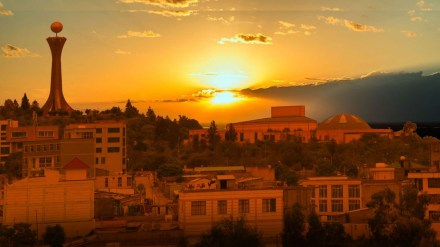
This is the second in a six-part series describing my visit to Ethiopia last year. The first part can be found here.
Friday, March 24
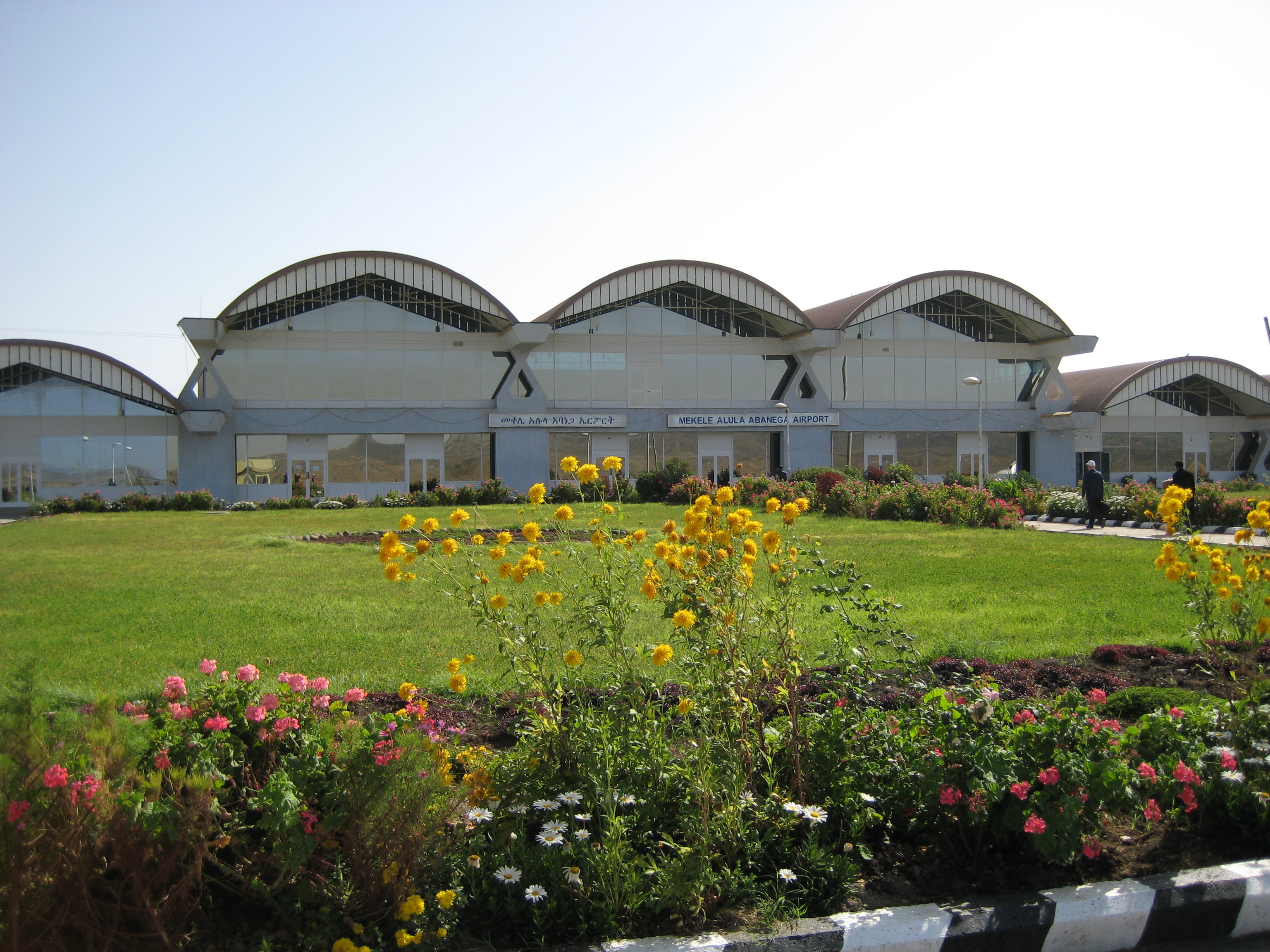
We left for the airport at 5:30, and after a rushed (but wonderful) breakfast of bread and coffee in the terminal we caught our flight to Mekelle. Because of the mountainous terrain and the numerous road hazards that I’ll discuss later, it takes about 17 hours to drive from Addis Ababa to Mekelle. Flying, however, takes about an hour.
We were picked up by Dr. Abrha Bsrat, the dean of Mekelle University’s College of Veterinary Sciences, who took us to our hotel, Libanos. There are a number of businesses that were nearly complete when the war began in November 2020, and so when the peace agreement was signed in November 2022 those that hadn’t been damaged were able to open. One neighborhood in particular, because it houses many NGOs and other international and humanitarian organizations, was spared much of the destruction that other parts of the city suffered. Libanos is located here, and being essentially brand new was easily the nicest hotel I’ve stayed at in Mekelle. Affordable, too, at 1500 birr ($27.75) a night.
Fred and I spent much of the morning in the lobby of Libanos with Drs. Abrha, Birhanu Hadush (a colleague from the vet school who has recently been appointed Mekelle University’s Vice President for Research and Community Services), and Mituku Haile, former president of MU from 2000-2010. We had an enlightening discussion about the University’s experiences during the war, which included a major role in housing and caring for Internally Displaced People (IDP). Mekelle’s population more than doubled when hundreds of thousands of people from outlying areas were forced from their homes due to violence. Our hosts were justifiably proud that, despite the loss of facilities (more on that below), loss of faculty and staff who left to play a role in the Tigrayan Defense Force (TDF), and a complete loss of funding, electricity, and telecommunications for over two years, the College of Veterinary Sciences published more than 20 scientific papers in peer-reviewed journals, and is ranked 4th among Ethiopian universities according to the ranking web of universities. To be clear – faculty have not been paid since November 2020, yet they continue to work to the absolute best of their ability and to serve the college and its mission.
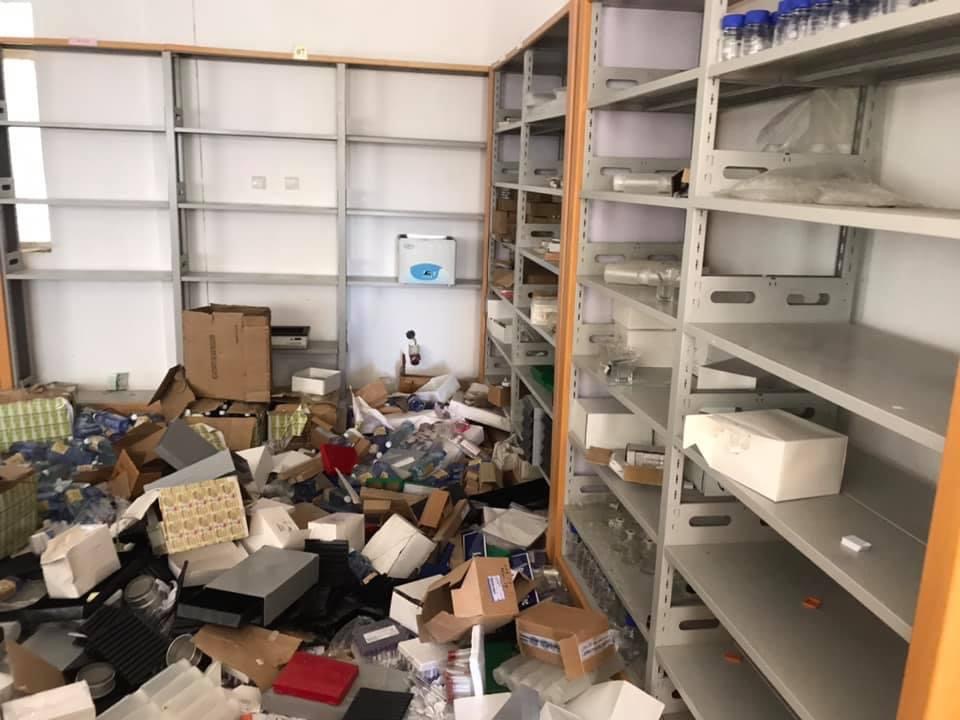
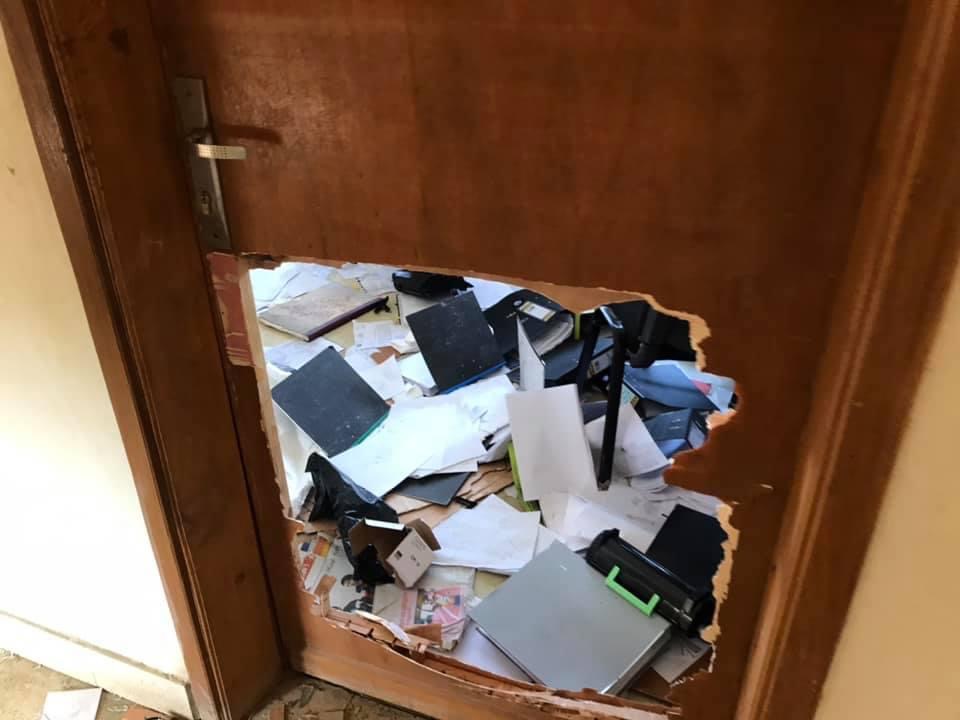
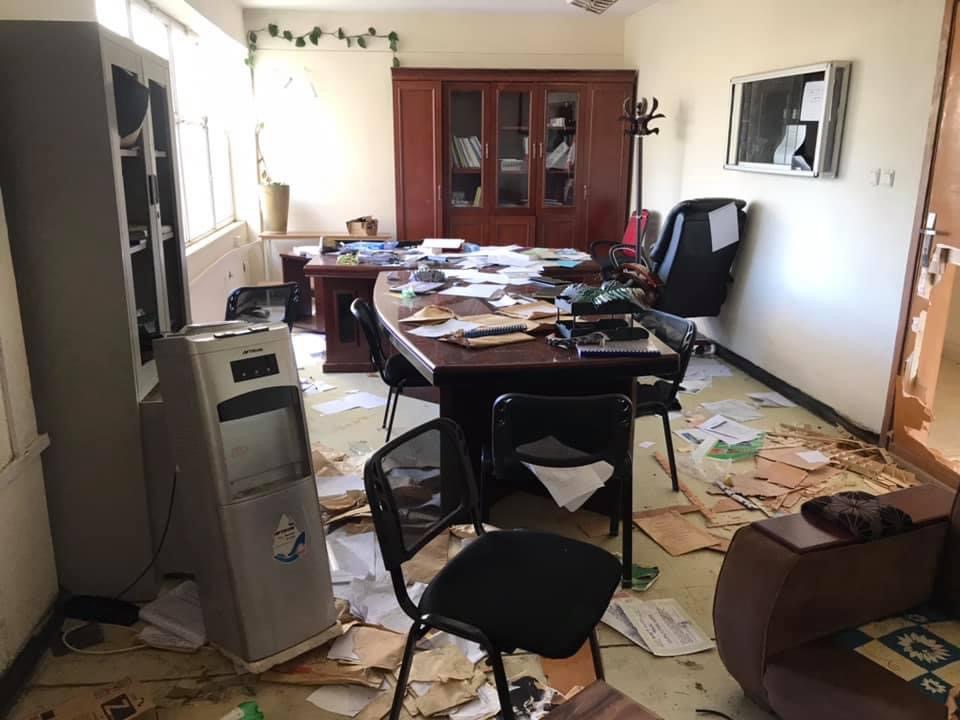
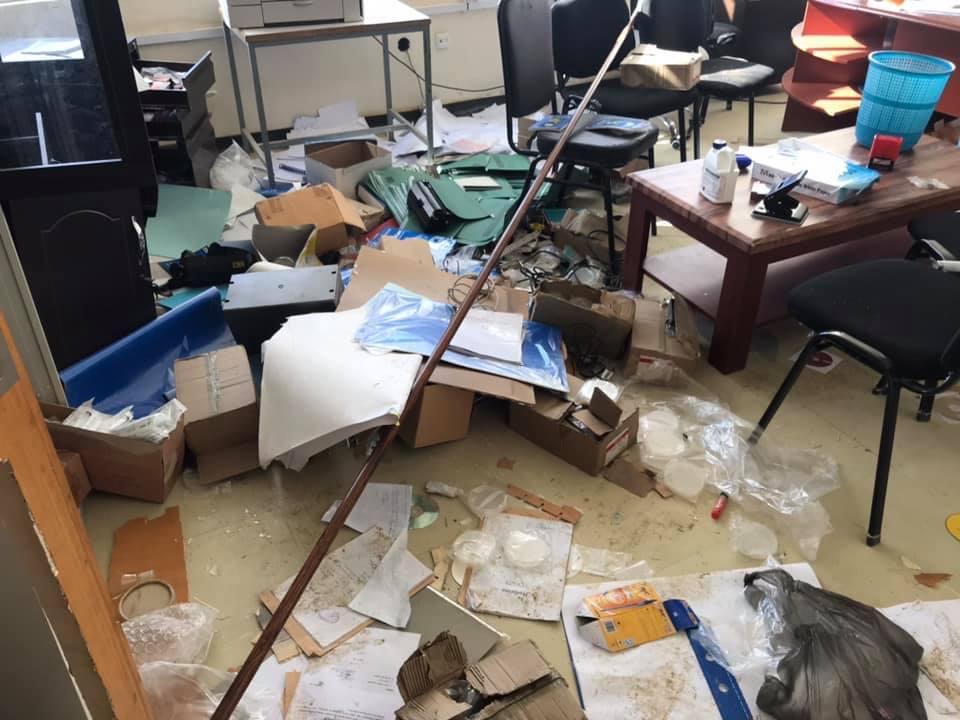
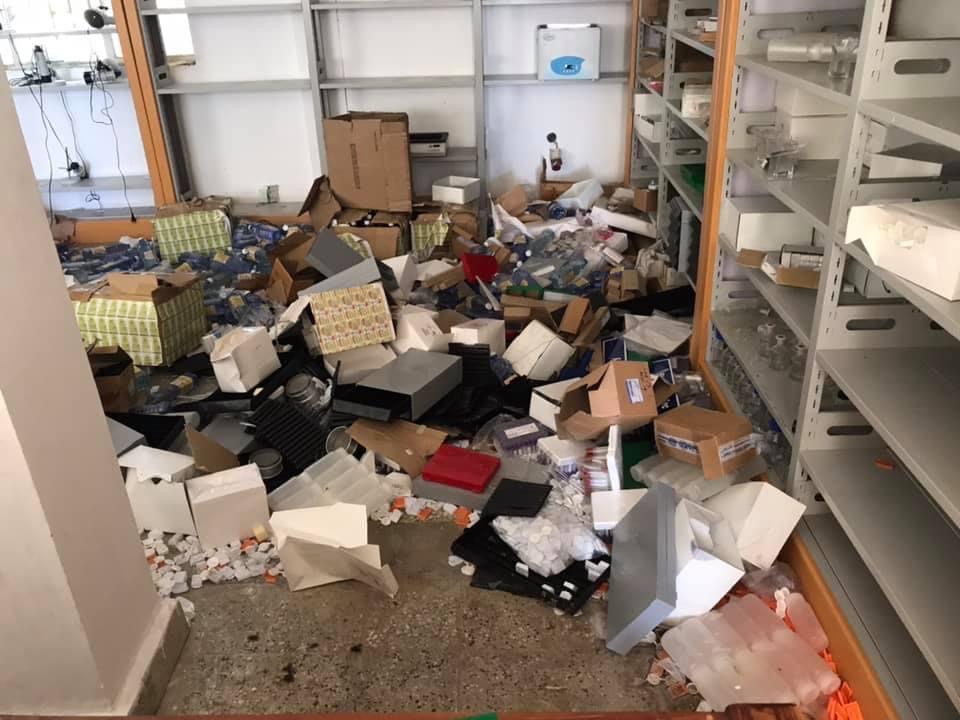
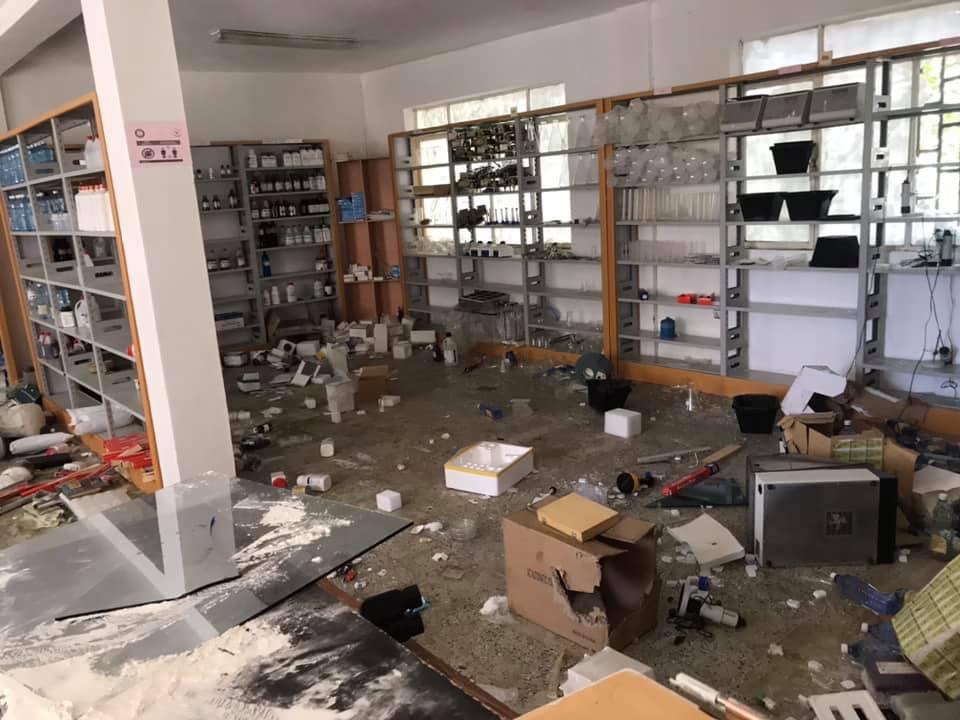
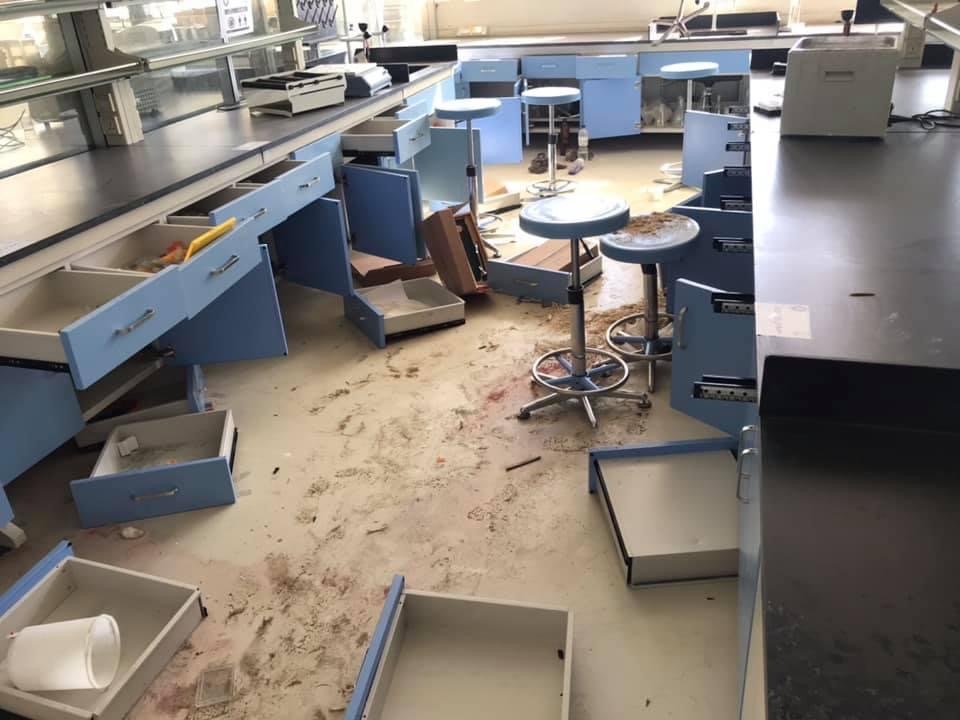
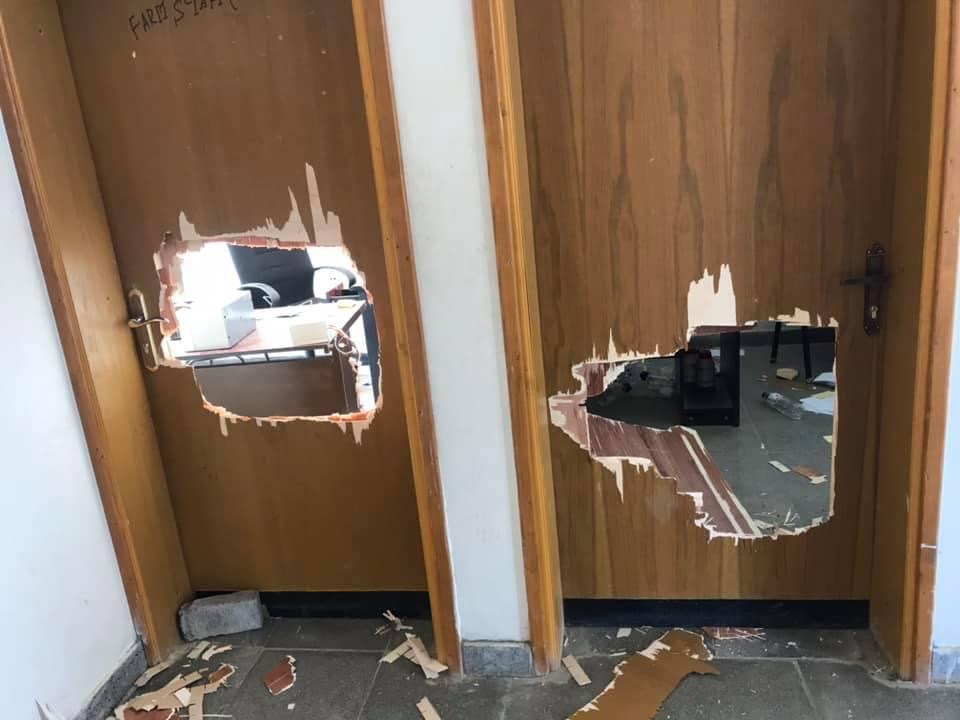
On a more sobering note, they shared with us the devastation that the College of Veterinary Sciences campus underwent when Mekelle was overtaken by occupying forces in late 2020, shown in the attached photos. We discussed the need for classroom, office, clinical, laboratory, and research equipment, which had all been destroyed, as well as for the need for faculty to catch up on more than two years of progress in their respective fields, as they have in large part been unable to keep up with publications, attend conferences, and simply stay abreast of trends due to lack of internet access. I’m currently brainstorming ways that folks here in the U.S. might be able to help out; if you have any suggestions, please reach out and let me know.


After our meeting with the folks from MU, we visited the Mekelle Youth Center (MYC) to learn about the experience of the staff and children during the conflict. The staff at the center are truly inspiring. They did all they could to remain open when it was deemed safe to do so in order to give local children a place to have community and obtain some sense of normalcy – an extremely important aspect of well-being, as I’ll discuss later. They were able to offer a variety of sports and exercise programs, as well as more cultural programs involving music and theater. We discussed the war’s impact on children, including bombings in which children were injured and killed. One story was particularly painful, in which a young girl who was a regular attendee was killed when a falling bullet came through the rook of her house and struck her in the head.
We then had lunch with the family of the Van Gorkoms’ Tigrayan colleague, consisting of a variety of fasting Ethiopian food. The children received candy from the States, which ended up being their main course, and we heard from the family’s matriarch about their experience over the past three years – not only has money been essentially unavailable due to the closure of all banks during the war, but inflation has been huge and the destruction and looting of most food producers in Tigray, combined with the inability to import any food into the region due to the siege, has led to the doubling or even quadrupling of food prices. Hunger and the lack of medicines and medical supplies have been the norm, and folks in the city readily admit that Mekelle has suffered the least within Tigray. We were given gifts as we departed – Tigrayan white honey and an Abyssinian white linen cloak called a gabi, the garment typically worn when attending an Ethiopian Orthodox service. Charlie ended up wearing this one (and using it as a blanket when he passed out) during our Paschal vigil.
The rest of the afternoon was devoted to much needed rest back at the hotel, followed by dinner of firfir at a small nearby restaurant. I made arrangements for the following day and promptly fell fast asleep.
This is part two of six of the report of my time in Ethiopia in March 2023. Part three can be found here.
 Hands Outstretched