Last Year in Abyssinia, Part Five

This is the fifth in a six-part series describing my visit to Ethiopia last year. The first part can be found here.

Monday, March 27

I was up at 3:30 am to get everything ready for a departure a little before 5. Our route involved driving east and south, descending out of the mountains (Mekelle is at an elevation of 7,395 feet, or 2,254 meters) into the Afar region through the Danakil Desert, where we would stop for the day in Semera, the regional capital. We chose this route because it had been less involved in the war than our other option through the Amhara region. We knew that there would be fewer checkpoints and less suspicion, making it the safer choice.

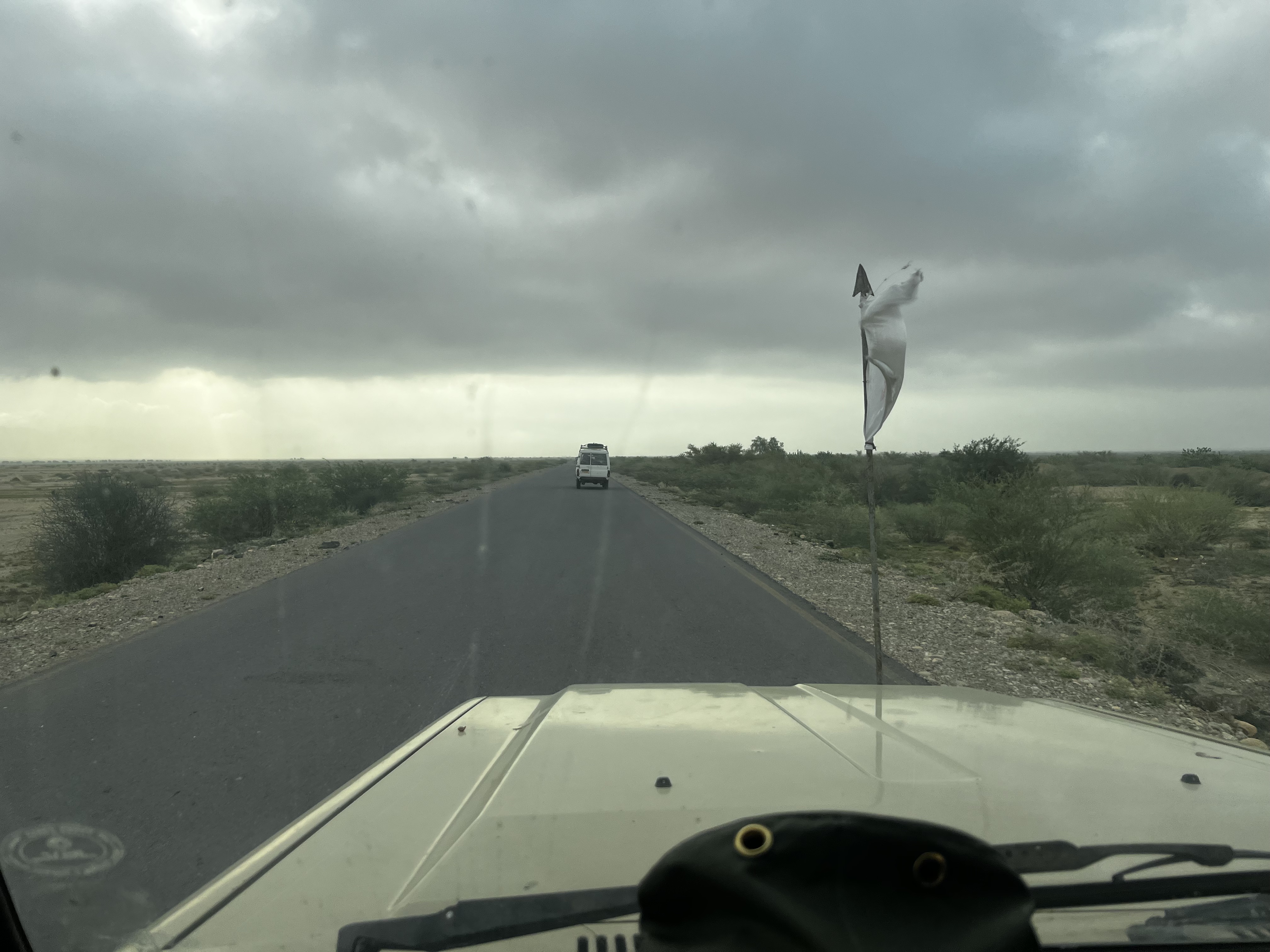
We drove in the dark for nearly two hours, which is probably for the best, as these roads involve hairpin turns on the edge of cliffs – a nerve-wracking drive if you can see how close to disaster you are, and how many vehicles have come to disaster before you. Jon led our little caravan for two reasons: first and foremost, he is the more experienced driver and has made the trip many times. Secondly, his taillights were out(!), so it was better for me to follow (his LandCruiser is white, and I could basically follow the light from his headlights). Following eliminates at least half of the stress of driving distances in Ethiopia, because the follower doesn’t have to worry about the many potential dangers in the road ahead: potholes (or even large gaps in the paved road), rocks/trees/debris (fallen or occasionally placed there intentionally), broken down vehicles in the middle of the road, sheep, goats, cattle, camels, children, adults, and checkpoints, which often consist of a difficult-to-see (especially in the dark) cable stretched across the road. Jon navigated all of these (and more) admirably, making my job much easier.

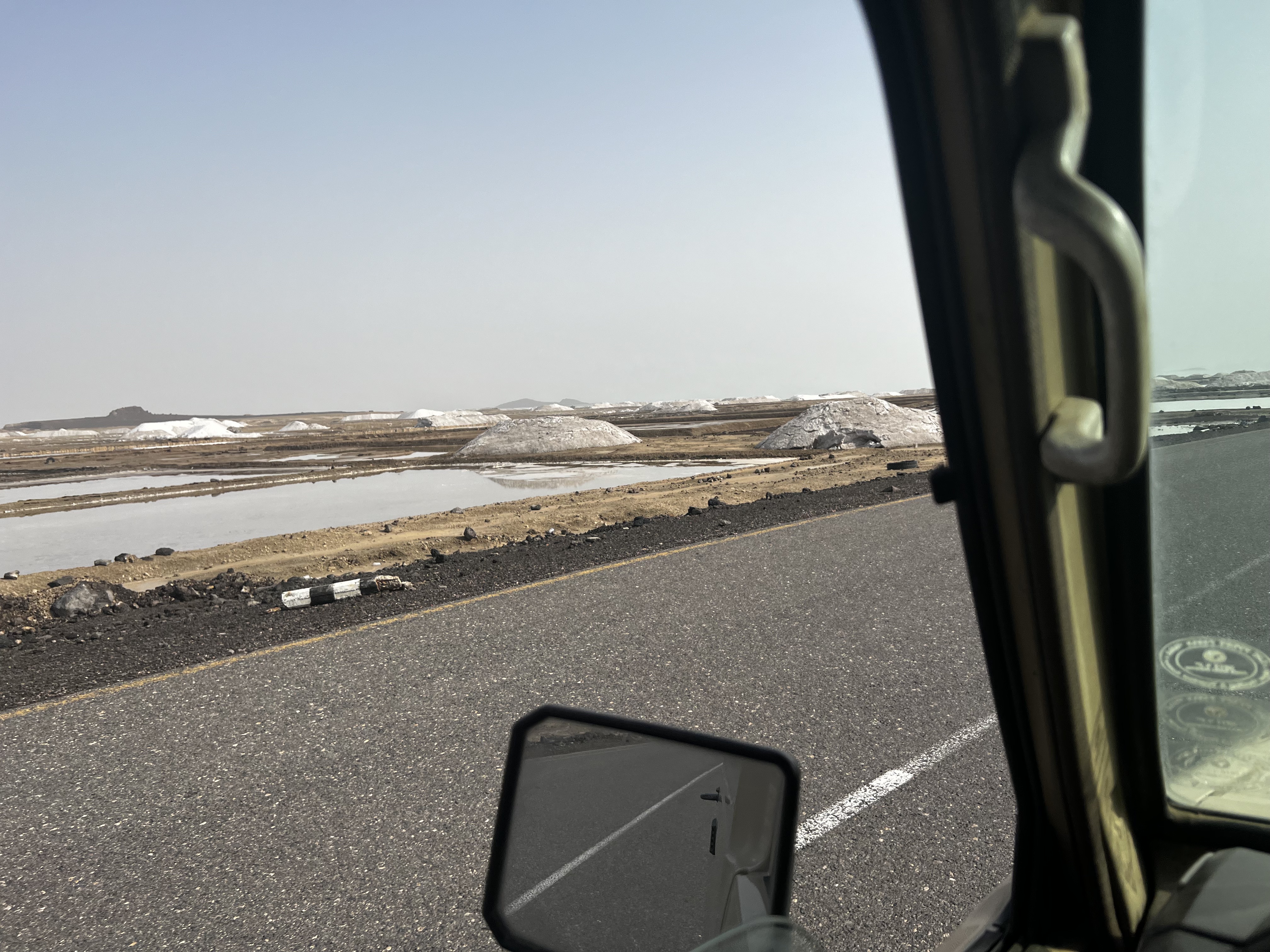
Although we didn’t get to see much of the mountains, as most of the descent occurred in the first couple of hours in the dark, the drive through the northern half of Afar were really fascinating. The variety of landscapes we navigated were truly amazing. Flat stretches of dirt/sand, rocky terrain that looks exactly like Mars, salt plains, scrub land . . . I would have loved to have been able to photograph it, but I was trying to stay close to Jon’s tail and survive the trip in one piece. That land is beautiful, but in a haunting sort of way. It’s so very inhospitable, and I firmly believe that the people in this part of the Horn of Africa have some of the hardest lives (if not the hardest) in the world.

We stopped once about halfway for jebena buna on the side of the road, and we arrived at the hotel in Semera a little after noon. It gets hot in Afar, and the next closest place where we could stay overnight safely and comfortably was Nazret, which would have involved driving through the heat of the day and into the dark. Driving in the evening is particularly dangerous, and is best avoided whenever possible. So we had tegamino and injera for lunch (and for dinner) and we rested in our luxuriously air conditioned rooms that afternoon and evening.

Tuesday, March 28

We were up at four to begin our drive from Semera to Addis Ababa, which is part of the route from Djibouti to Addis. This is the primary means by which goods are transported from the sea to Ethiopia, and so this leg of the journey was inundated with trucks. And since nearly the entire route consisted of two-lane highways, this meant a LOT of very exciting passing maneuvers. It’s quite exhausting for one’s adrenaline to pump for 10 hours straight. In addition to dodging trucks, the baboons on the side of this road were often quite entertaining.

There was a fair amount of rain during this leg of the journey, which was unfortunate because as I’ve mentioned before, my windshield wipers didn’t work. At all. For most of the journey the rain was just light enough and/or infrequent enough that I could proceed comfortably. The last hour or so, however, there is a new 4+ lane expressway that makes for great, safe, fast driving – unless it’s raining and your windshield wipers don’t work. Then it becomes a little stressful. Fortunately there were only about 10 minutes where it was raining so hard the I moved into the slowest lane and followed a truck (which was a visible, slow-moving, comforting blob through the windshield) until I could see better. Then before we knew it we were in Addis, which is by far the most insane place to drive I’ve ever experienced.

This is part five of six of the report of my time in Ethiopia in March 2023.

Last Year in Abyssinia, Part Four

This is the fourth in a six-part series describing my visit to Ethiopia last year. The first part can be found here.

Sunday, March 26

Sunday morning after Liturgy (which starts a little before 5 am and ends a little after 9), I attended the inaugural ceremony for the Imago Dei Counseling and Training Center, a program that was started in large part by faculty from St. Frumentius Ethiopian Orthodox Seminary, but is in collaboration with other faith-based organizations. Its focus is providing counseling from a faith-based and whole person orientation – something that is especially necessary now, given the trauma that the region has just experienced. I was able to visit with friends at this event, including the Rev. Tesfaye Hadera, dean of the seminary, Prof. Mekonnen ?, and ?, both of whom are former deans. The seminary has played a major role in housing and supporting IDPs as well as providing the Church’s support via Qiddus Mikael, the parish associated with the seminary. To my surprise, I was asked to share a few words at the ceremony. I spoke about benefits on holistic approaches towards health, and how my work combines human, animal, plant, and environmental health. I also sought to encourage the audience, sharing with them that my Orthodox and other Christian community in the States (and elsewhere) have been praying for them, are mindful of ways that they might be able to help, and are eager to do so.

After this I was invited to lunch at Dr. Abrha’s house, where I was able to catch up with his wife, Dr. Merhawit Reda, professor of anatomy at the vet school, and to see how much his children have grown. In addition, Dr. Birhanu (MU’s Vice President of Research and Community Outreach) and Dr. Netsanet Berhe, an epidemiologist at the vet school. We spent hours talking about a variety of things, including and especially what I can do from the States to help the vet school and the people of Mekelle, Tigray, and Ethiopia. They spoke quite frankly about their inability to recommend in good conscience that I bring my family back to Mekelle any time in the near future, and encouraged me to consider how I might be able to serve their community while living in the States. I’m still processing and brainstorming as a result of this conversation, but here are some of the things I would like to pursue:

  • regular trips to Mekelle in which veterinary professionals come to share their expertise, often in the form of short courses for faculty and/or students
  • identifying potential research projects (and, of course, funding), especially those that involve collaboration with Western researchers and clinicians
  • identifying educational and/or professional opportunities for faculty and students from Mekelle at American (or other Western) veterinary or public health institutions
  • appropriation and transportation of clinical, laboratory, research, and educational equipment and materials to the vet school in Mekelle

*I’d like to do similar things with the seminary as well, although my capacity to help is some of these areas is more limited.

I simply can’t say enough about the dedication, ingenuity, passion, and work ethic of the faculty at the College of Veterinary Sciences. These folks are an inspiration to me, and I thank God that I’ve had the opportunity to become friends and colleagues with them.

I spent the rest of the evening loading our LandCruiser and preparing to drive it from Mekelle to Addis Ababa. Timing for this trip was providential, as Jon, the director of MYC, was planning to make the drive as well in his LandCruiser, and we were able to caravan. Jon had graciously taken our vehicle to a local mechanic, as it had been sitting for essentially three years, and was able to get it up to speed, apart from the fact that the windshield wipers didn’t work (more on that later, but (spoiler alert) rest assured that I survived the trip. Jon and I shared a meal consisting of fuul before getting some sleep prior to our 4am departure time Monday morning.

This is part four of six of the report of my time in Ethiopia in March 2023. Part five can be found here.

Last Year in Abyssinia, Part Three

This is the third in a six-part series describing my visit to Ethiopia last year. The first part can be found here.

Saturday, March 25

After a breakfast of firfir and coffee at the hotel, Jon, the director of the Mekelle Youth Center (MYC), picked me up and drove me to the place where our vehicle had been stored for the past few weeks. When we arrived in Mekelle in February of 2020, we had arranged to sublet a house that was being rented by a recently married couple who worked at MYC. The husband is American and the wife Ethiopian, and as we were arriving they were preparing to go to the States to begin the process of obtaining her green card. It was an ideal situation, in that it would give us a year to locate a suitable long-term home in Mekelle. When we returned to the States at the end of March, we brought very little with us (two checked bags and two carry-ons) as we expected to return within six or so months. When the war broke out in November, the Ethiopian staff at MYC permitted some Internally Displaced People (IDPs) to live in our home – an arrangement we were happy to accommodate. We made sure they knew that these folks were welcome to utilize our household goods as they saw fit. The boys’ clothes and toys were allocated almost immediately. Very little was left for me to sort through on Saturday morning – primarily our books (mostly my veterinary texts and biblical/theological library, as well as homeschool materials) and a couple of the boys’ sentimental stuffed animals.

As I sorted through what I would bring with me and what I would leave to be given away, I occasionally wished that we had asked them to hold onto this or that item. In the end, though, I was grateful. I knew that any donations we might give now or in the future would not have matched the giving of the vast majority of our household goods in value. It was a way that we, in our weak and sinful materialism, were compelled to be joyfully generous.

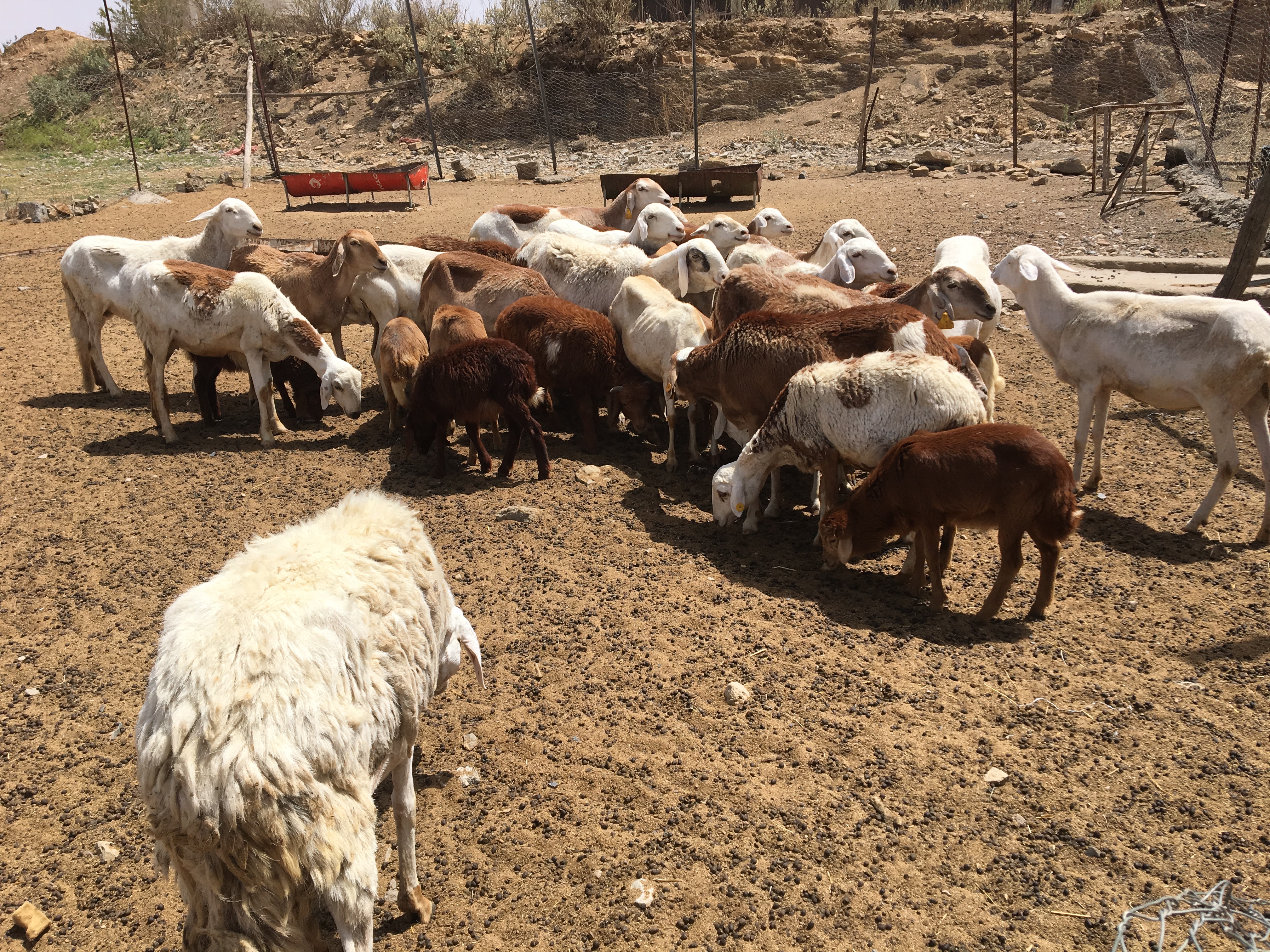
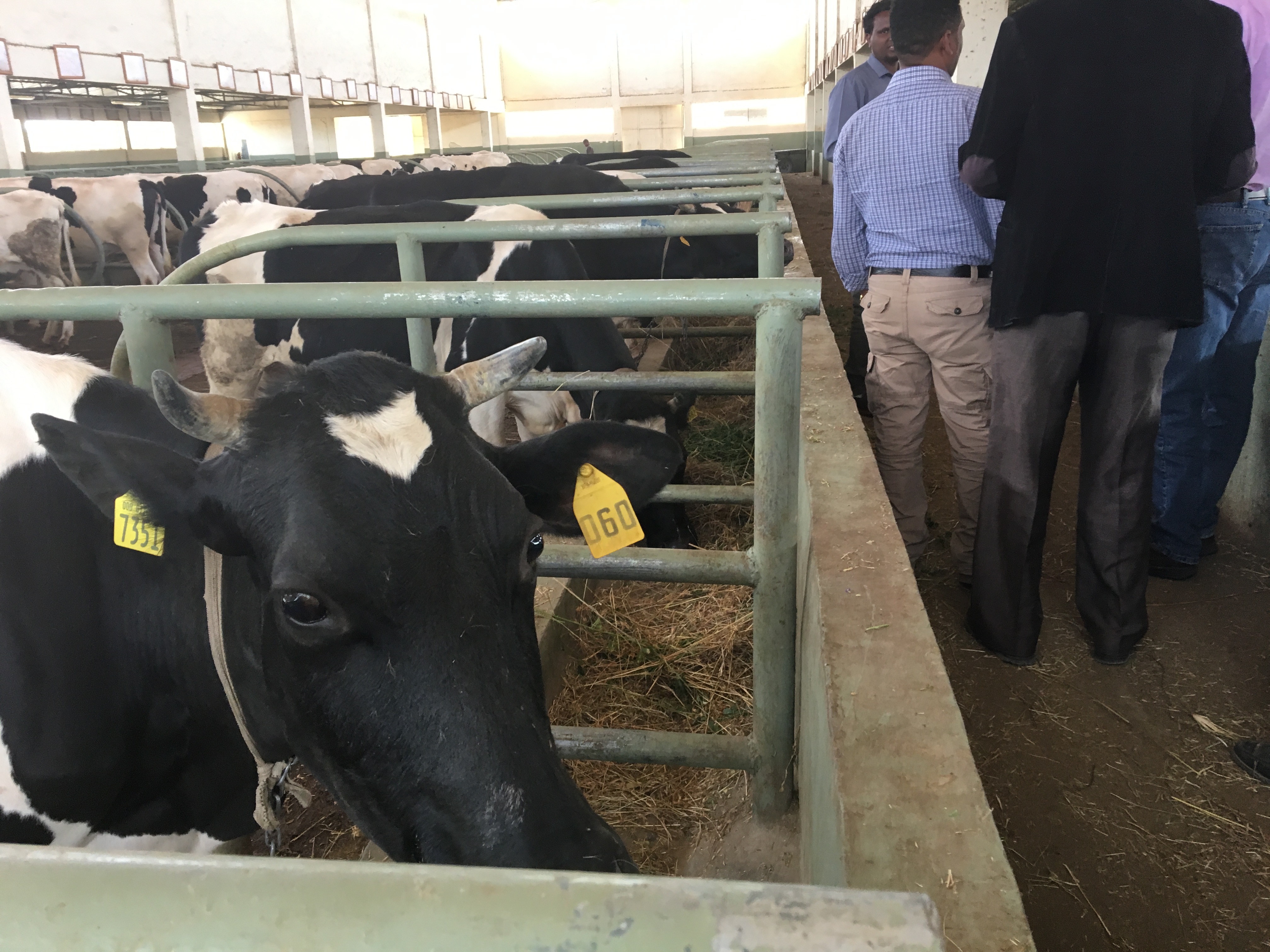
After I’d sorted through our goods and packed what I intended to bring back to Iowa, I met with Dr. Abrha, the dean of the vet school, for lunch. Interestingly, as strict as the Ethiopian fast is, they don’t fast regularly from fish, and we shared some wonderful fish with injera before Abrha gave me a tour of the section of Mekelle where the vet school is located, an area with which I was familiar in the past, but that has changed dramatically in the last three years. The most profound and moving aspect was that this is an area where injured people are convalescing, and the number of folks with visible injuries was extremely sobering. Most of the buildings at the vet school, including the clinic, the labs, and student housing are currently housing IDPs and convalescents. Abrha showed me the college’s animal housing, where only a handful of dairy cows remain. Since my first trip to Mekelle in 2015, I’ve seen the dairy facilities being built and the herd maintained over several years. The milk is sold locally, and the animals are used for a variety of research and clinical training purposes (a common role for university dairies when a vet school is present). The inability to provide adequate feed for the cows during the war resulted in the loss of a number of animals and a massive drop in the body condition of those that did survive as a result of the veterinary staff’s steadfast perseverance and dedication to keep these animals alive. The same could not be said for the sheep, goats, and poultry. Finally, and on a more positive note, Abrha proudly showed me where families had been given plots of land throughout the campus where they could grow crops to feed themselves and others. This urban cultivation was a critical means of feeding the city during the conflict. I had dinner at the hotel (tegameno and injera), and spent some time in the lobby that night visiting with three members of the veterinary faculty who had visited Ames at various times over the past few years as part of the USDA Foreign Agriculture Service’s Faculty Exchange Program, in which faculty from veterinary colleges in the developing world spend a semester at a U.S. vet school collaborating and learning more about American styles of pedagogy and curricular development.

This is part three of six of the report of my time in Ethiopia in March 2023. Part four can be found here.
Last Year in Abyssinia, Part Two

This is the second in a six-part series describing my visit to Ethiopia last year. The first part can be found here.

Friday, March 24

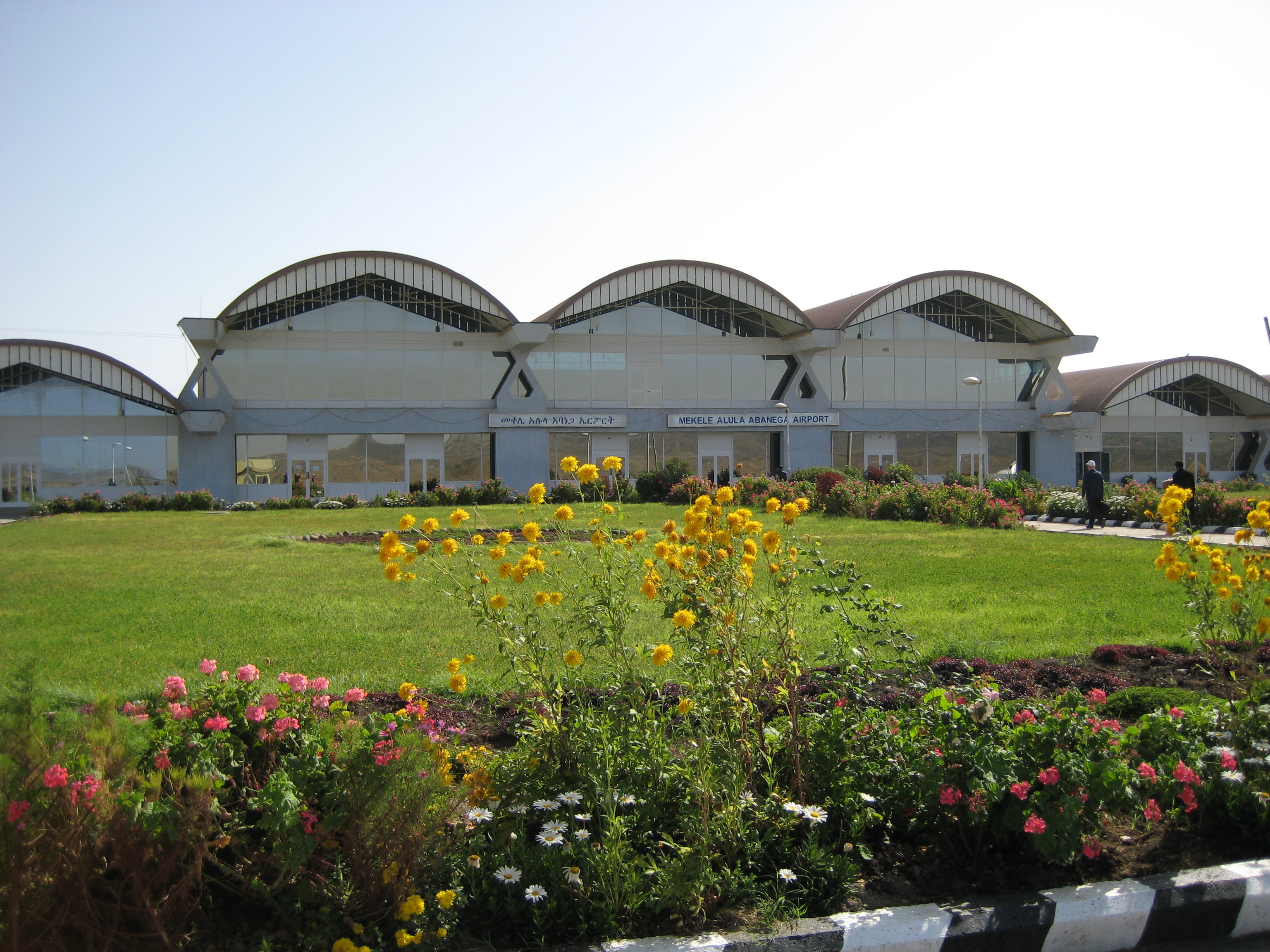
We left for the airport at 5:30, and after a rushed (but wonderful) breakfast of bread and coffee in the terminal we caught our flight to Mekelle. Because of the mountainous terrain and the numerous road hazards that I’ll discuss later, it takes about 17 hours to drive from Addis Ababa to Mekelle. Flying, however, takes about an hour.

We were picked up by Dr. Abrha Bsrat, the dean of Mekelle University’s College of Veterinary Sciences, who took us to our hotel, Libanos. There are a number of businesses that were nearly complete when the war began in November 2020, and so when the peace agreement was signed in November 2022 those that hadn’t been damaged were able to open. One neighborhood in particular, because it houses many NGOs and other international and humanitarian organizations, was spared much of the destruction that other parts of the city suffered. Libanos is located here, and being essentially brand new was easily the nicest hotel I’ve stayed at in Mekelle. Affordable, too, at 1500 birr ($27.75) a night. 

Fred and I spent much of the morning in the lobby of Libanos with Drs. Abrha, Birhanu Hadush (a colleague from the vet school who has recently been appointed Mekelle University’s Vice President for Research and Community Services), and Mituku Haile, former president of MU from 2000-2010. We had an enlightening discussion about the University’s experiences during the war, which included a major role in housing and caring for Internally Displaced People (IDP). Mekelle’s population more than doubled when hundreds of thousands of people from outlying areas were forced from their homes due to violence. Our hosts were justifiably proud that, despite the loss of facilities (more on that below), loss of faculty and staff who left to play a role in the Tigrayan Defense Force (TDF), and a complete loss of funding, electricity, and telecommunications for over two years, the College of Veterinary Sciences published more than 20 scientific papers in peer-reviewed journals, and is ranked 4th among Ethiopian universities according to the ranking web of universities. To be clear – faculty have not been paid since November 2020, yet they continue to work to the absolute best of their ability and to serve the college and its mission.

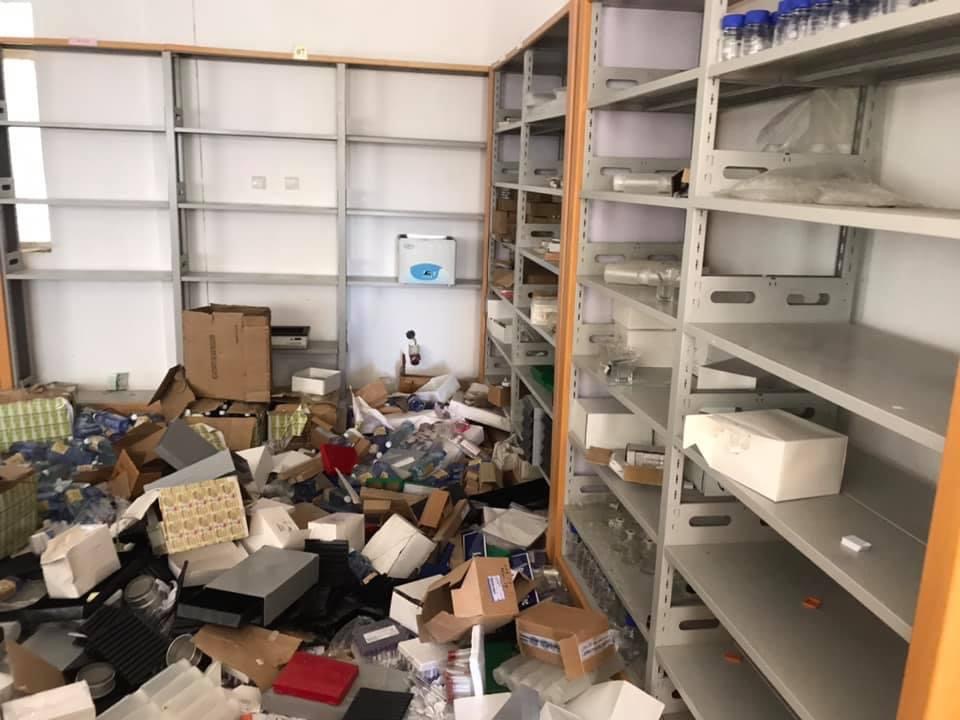
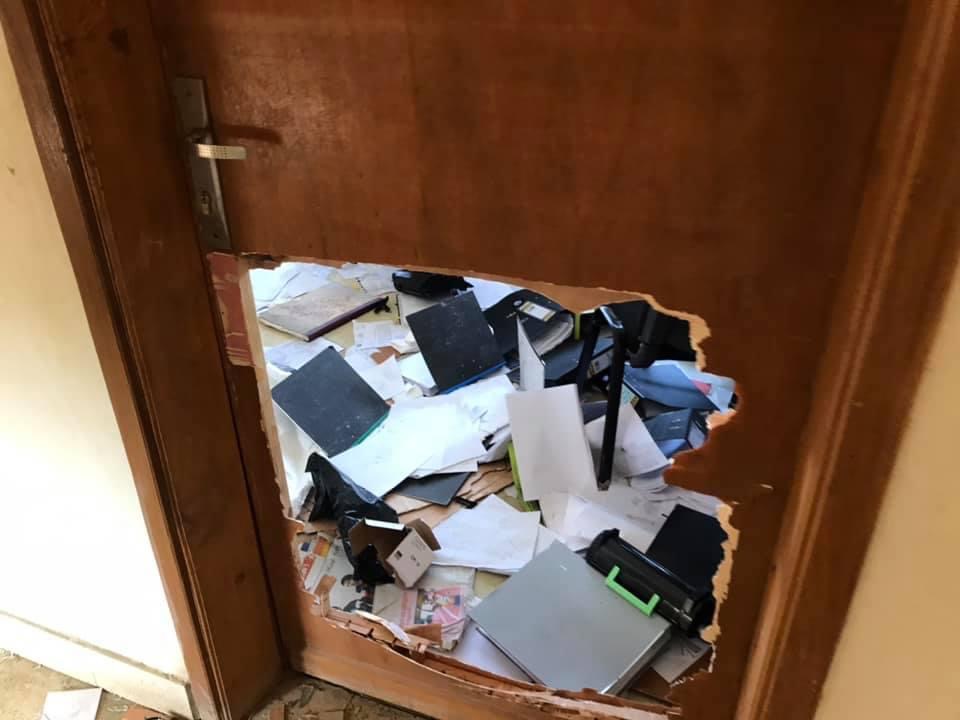
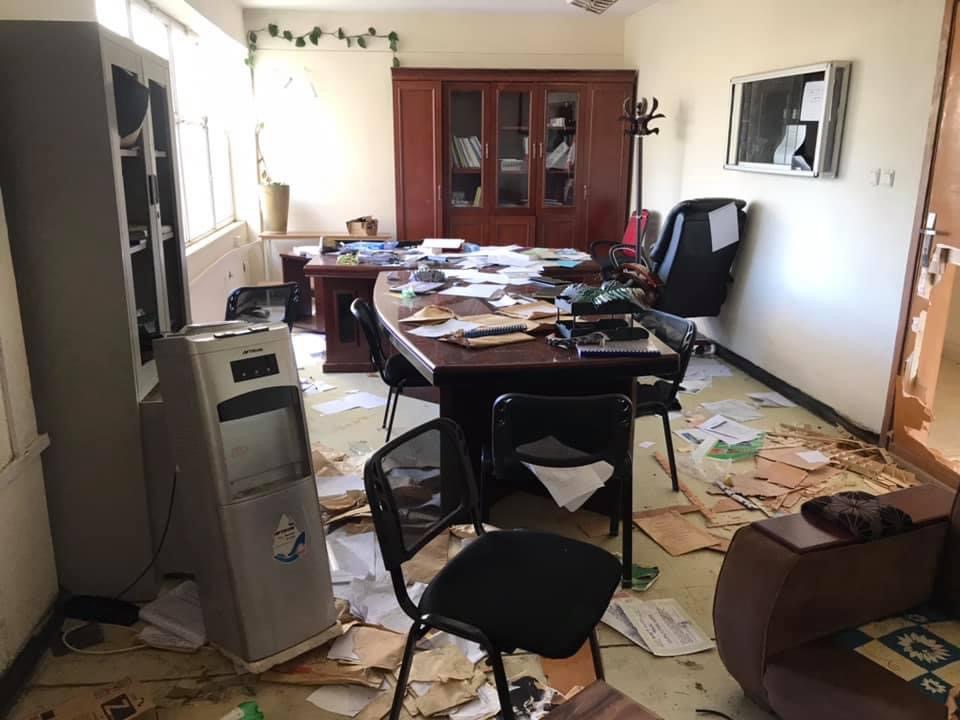
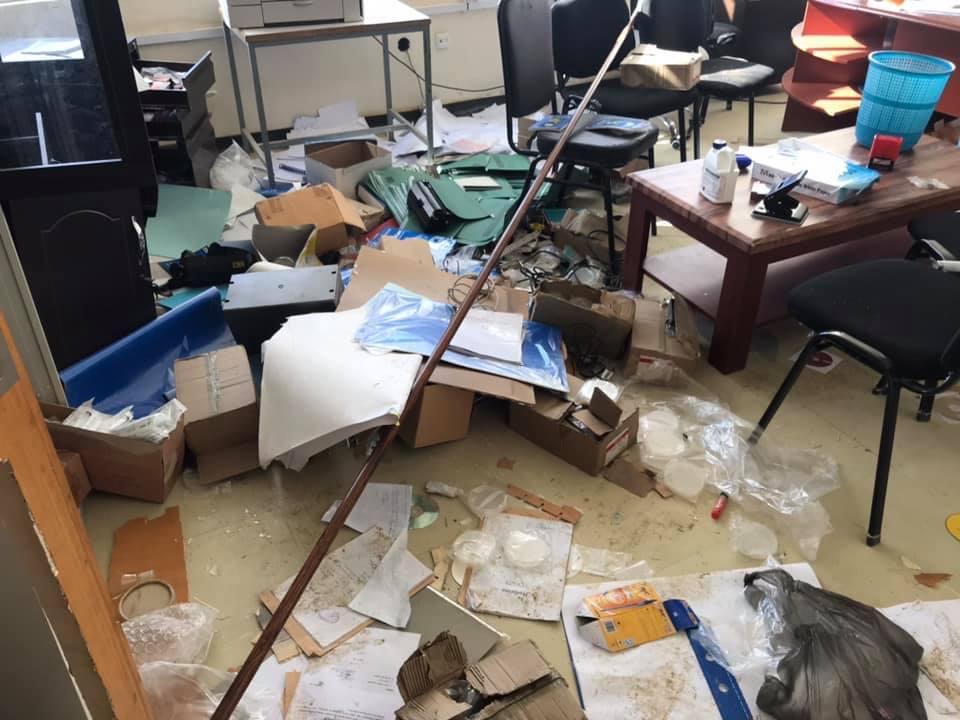
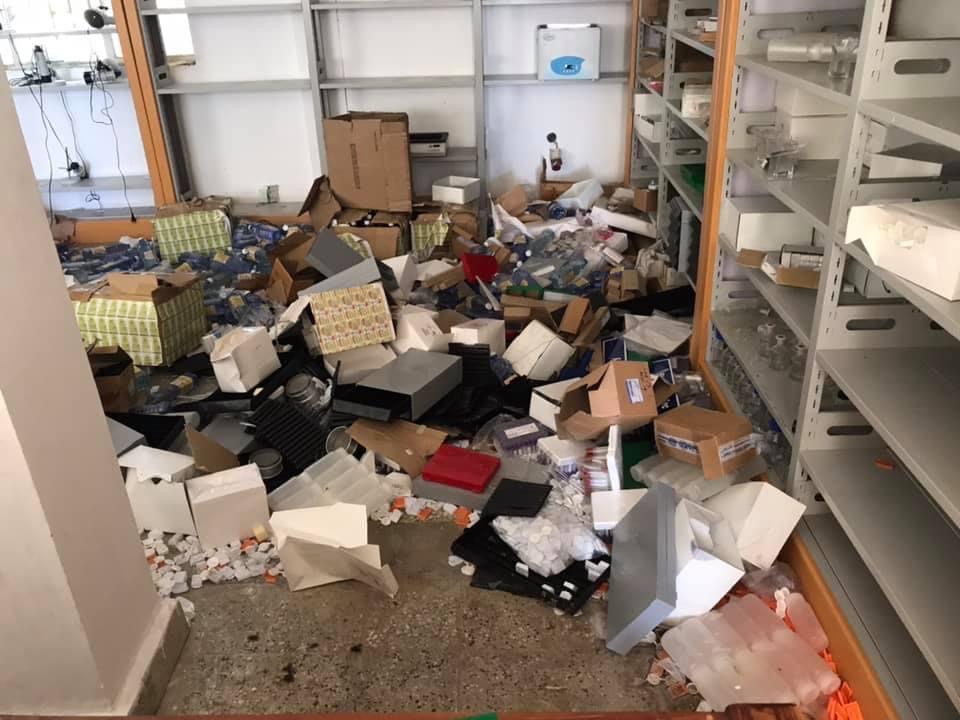
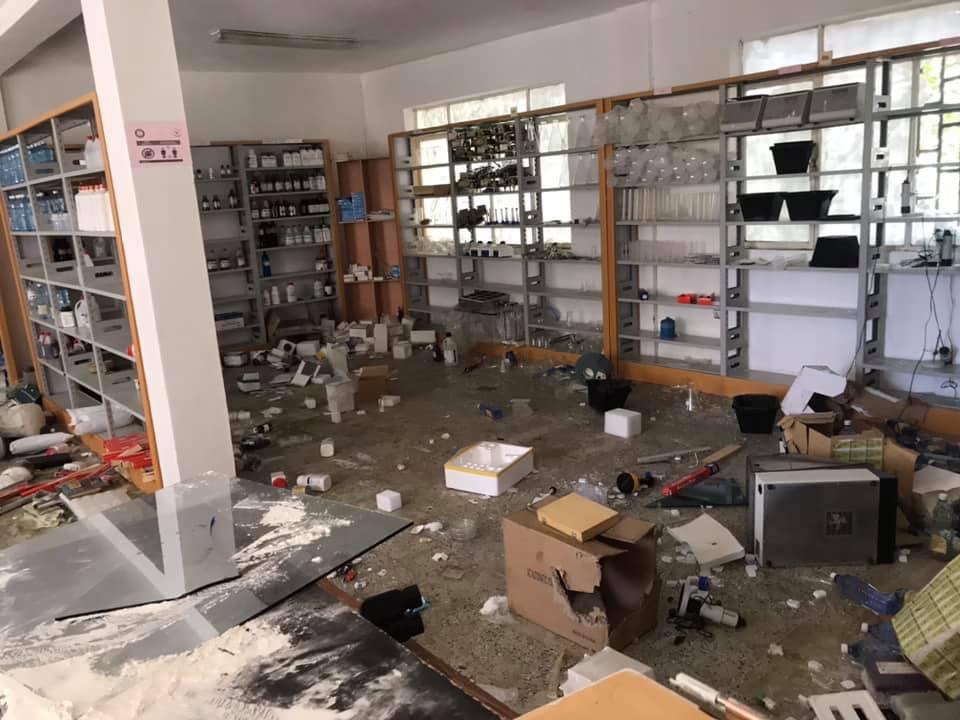
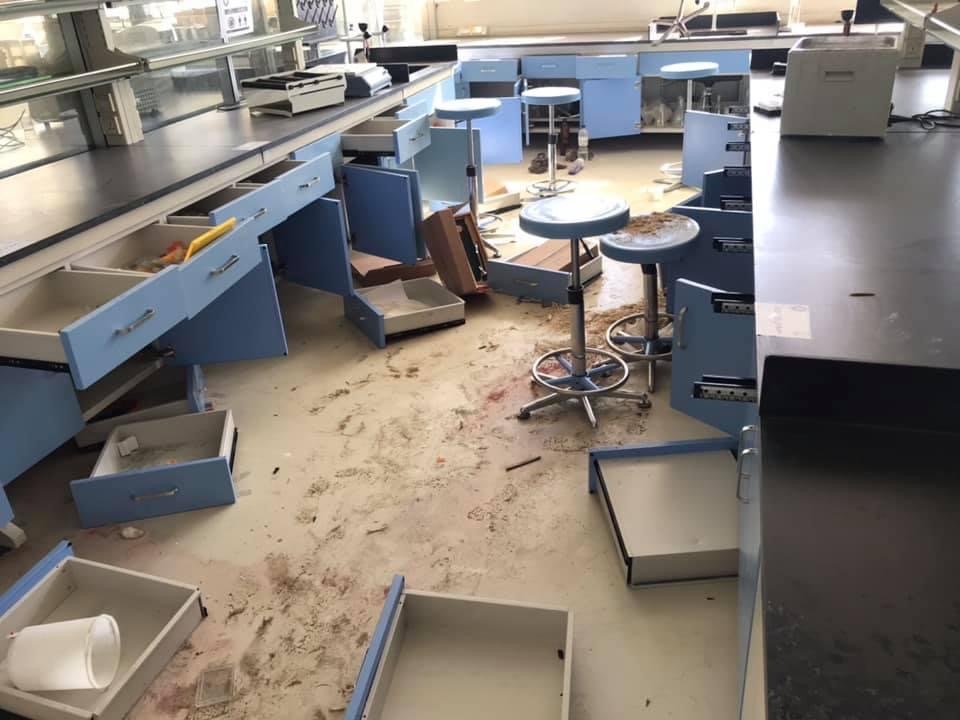
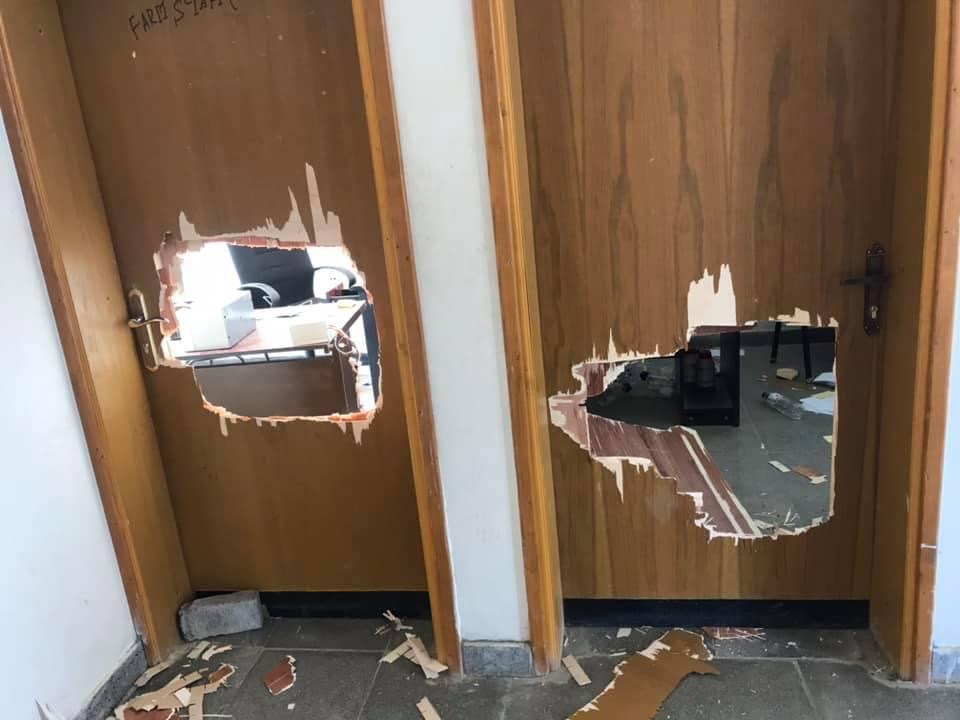
On a more sobering note, they shared with us the devastation that the College of Veterinary Sciences campus underwent when Mekelle was overtaken by occupying forces in late 2020, shown in the attached photos. We discussed the need for classroom, office, clinical, laboratory, and research equipment, which had all been destroyed, as well as for the need for faculty to catch up on more than two years of progress in their respective fields, as they have in large part been unable to keep up with publications, attend conferences, and simply stay abreast of trends due to lack of internet access. I’m currently brainstorming ways that folks here in the U.S. might be able to help out; if you have any suggestions, please reach out and let me know.

After our meeting with the folks from MU, we visited the Mekelle Youth Center (MYC) to learn about the experience of the staff and children during the conflict. The staff at the center are truly inspiring. They did all they could to remain open when it was deemed safe to do so in order to give local children a place to have community and obtain some sense of normalcy – an extremely important aspect of well-being, as I’ll discuss later. They were able to offer a variety of sports and exercise programs, as well as more cultural programs involving music and theater. We discussed the war’s impact on children, including bombings in which children were injured and killed. One story was particularly painful, in which a young girl who was a regular attendee was killed when a falling bullet came through the rook of her house and struck her in the head.

We then had lunch with the family of the Van Gorkoms’ Tigrayan colleague, consisting of a variety of fasting Ethiopian food. The children received candy from the States, which ended up being their main course, and we heard from the family’s matriarch about their experience over the past three years – not only has money been essentially unavailable due to the closure of all banks during the war, but inflation has been huge and the destruction and looting of most food producers in Tigray, combined with the inability to import any food into the region due to the siege, has led to the doubling or even quadrupling of food prices. Hunger and the lack of medicines and medical supplies have been the norm, and folks in the city readily admit that Mekelle has suffered the least within Tigray. We were given gifts as we departed – Tigrayan white honey and an Abyssinian white linen cloak called a gabi, the garment typically worn when attending an Ethiopian Orthodox service. Charlie ended up wearing this one (and using it as a blanket when he passed out) during our Paschal vigil.

The rest of the afternoon was devoted to much needed rest back at the hotel, followed by dinner of firfir at a small nearby restaurant. I made arrangements for the following day and promptly fell fast asleep.

This is part two of six of the report of my time in Ethiopia in March 2023. Part three can be found here.